

St. Leo Estate Planning Lawyer
When you need comprehensive estate planning services in St. Leo, Florida, the experienced attorneys at Messina Law Group, P.A. provide trusted counsel to protect your assets and secure your family’s future. Our St. Leo estate planning lawyer team, led by brothers Anthony Messina and Paul Messina, Jr., understands that every situation is unique and works diligently to make the legal process smooth and straightforward for our clients.
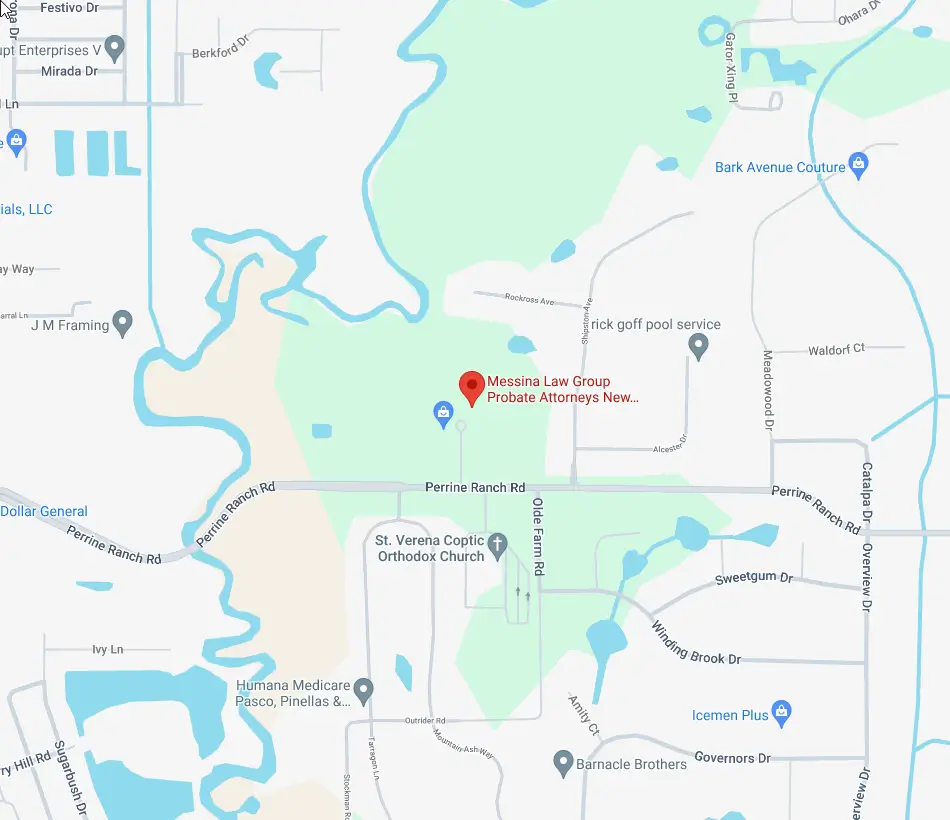
Located conveniently in the Tampa Bay area, our full-service Florida law firm has handled thousands of cases throughout the state and serves clients throughout Hillsborough, Pasco, and Pinellas Counties. We know that effective estate planning requires careful attention to detail and a thorough understanding of Florida law, which is why our attorneys focus on developing personalized strategies that meet each client’s specific needs and goals.
Comprehensive Estate Planning Services
Estate planning involves much more than simply drafting a will. A comprehensive estate plan protects your assets during your lifetime, ensures your wishes are carried out after your passing, and minimizes the burden on your loved ones during difficult times. Our attorneys help St. Leo residents create robust estate plans that address all aspects of wealth transfer and asset protection.
Wills serve as the foundation of most estate plans, clearly outlining how you want your assets distributed and who should care for minor children. However, relying solely on a will means your estate will likely go through probate, which can be time-consuming and costly for your beneficiaries. Our estate planning attorneys help you understand when a will is sufficient and when additional planning tools may be beneficial.
Trusts offer significant advantages for many families, allowing assets to pass to beneficiaries without going through the probate process. Revocable living trusts provide flexibility during your lifetime while ensuring privacy and efficiency after your passing. Irrevocable trusts can offer additional benefits, including tax advantages and asset protection from creditors. We help clients determine which trust structures align with their goals and family circumstances.
Advanced directives, including healthcare surrogate designations and living wills, ensure your medical preferences are known and respected if you become unable to communicate them yourself. These documents provide peace of mind for both you and your family members who may otherwise struggle with difficult medical decisions on your behalf.
Florida Probate Administration and Estate Settlement
Even with careful estate planning, some assets may still require probate administration after your passing. Florida law requires most estates to go through probate, though certain assets like jointly held property, accounts with designated beneficiaries, and assets held in trust may pass outside the probate process. Understanding which assets require probate and which do not is essential for efficient estate administration.
Florida recognizes several types of probate administration, each designed for different circumstances and estate sizes. Formal administration is the standard probate process required for larger estates, involving court supervision throughout the administration, publication of notice to creditors, and formal court approval of the personal representative’s actions. This process typically takes six months to a year or longer to complete.
Summary administration provides a simplified process for smaller estates valued at $75,000 or less, excluding exempt property, or when the decedent has been dead for more than two years. This expedited process requires less court involvement and can often be completed more quickly than formal administration, reducing costs and delays for beneficiaries.
The personal representative, sometimes called an executor, bears significant responsibility for managing the probate process. Florida law imposes strict fiduciary duties on personal representatives, requiring them to act in the best interests of the estate and its beneficiaries. These duties include locating and securing estate assets, maintaining accurate records, filing required tax returns, paying legitimate debts, and distributing assets according to the will or Florida law.
Estate and Trust Litigation Services
Unfortunately, not all estate matters proceed smoothly. Disputes can arise among family members, between beneficiaries and personal representatives, or involving creditors and other parties with claims against the estate. When conflicts cannot be resolved through negotiation, estate and trust litigation may become necessary to protect your rights and interests.
Will contests challenge the validity of a will based on grounds such as lack of testamentary capacity, undue influence, fraud, or improper execution. These cases require proving that the testator lacked the mental capacity to understand the nature and extent of their property and the effect of signing a will, or that someone improperly influenced the testator’s decisions. Will contests must typically be filed within specific time limits, making prompt legal consultation essential.
Trust litigation involves disputes over the creation, administration, or interpretation of trusts. These cases may challenge the validity of a trust, seek removal of a trustee, or request court interpretation of ambiguous trust provisions. Trust litigation often involves similar issues to will contests, including allegations of incapacity, undue influence, or breach of fiduciary duty.
Elective share claims arise when a surviving spouse chooses to take a statutory share of the deceased spouse’s estate rather than the amount provided in the will. Florida’s elective share statute entitles surviving spouses to thirty percent of the elective estate, which includes certain assets that may have passed outside probate. These calculations can be complex and frequently lead to disputes.
St. Leo Estate Planning FAQs
Do I need an estate plan if I don’t have significant assets?
Yes, estate planning benefits people at all income levels. Even modest estates can benefit from proper planning to avoid probate costs, ensure minor children are cared for by chosen guardians, and make difficult times easier for your loved ones. Basic estate planning documents like wills, healthcare directives, and powers of attorney provide essential protections regardless of asset levels.
How often should I update my estate plan?
You should review your estate plan every three to five years or after major life events such as marriage, divorce, birth of children or grandchildren, significant changes in assets, or relocation to a different state. Florida law changes may also impact your estate plan, making regular reviews with an experienced attorney important.
What happens if I die without a will in Florida?
If you die without a valid will, Florida’s intestacy laws determine how your assets are distributed. Your property will go to your closest relatives in a specific order established by state law, which may not align with your wishes. The probate process will still be required, but without the guidance of your written instructions.
Can I avoid probate entirely with proper estate planning?
While it’s difficult to avoid probate completely, proper estate planning can minimize the assets that must go through probate. Strategies like revocable living trusts, joint ownership with rights of survivorship, and beneficiary designations on accounts can help many assets pass directly to beneficiaries outside the probate process.
What is the difference between a will and a trust?
A will is a document that takes effect after your death and directs how your assets should be distributed through the probate process. A trust is a legal entity that can hold assets during your lifetime and after your death, often avoiding probate entirely. Trusts can provide ongoing management of assets and additional privacy compared to wills.
How long does probate take in Florida?
The length of probate depends on the type of administration required and the complexity of the estate. Summary administration for smaller estates can often be completed in a few months, while formal administration typically takes six months to a year or longer, especially if disputes arise or the estate is complex.
Serving Throughout St. Leo
- Saint Leo University area
- Dade City
- San Antonio
- Zephyrhills
- Wesley Chapel
- Land O’ Lakes
- Lutz
- Trilby
- Lacoochee
- Ridge Manor
Contact a St. Leo Estate Planning Attorney Today
At Messina Law Group, P.A., our clients are always our priority, and our goal is to make the legal process smooth and easy. With offices in multiple locations throughout the Tampa Bay area, we’re nearby to help with your estate planning needs. Our experienced estate planning attorney team serves clients throughout Hillsborough, Pasco, and Pinellas Counties, providing the trusted counsel you need to protect your assets and secure your family’s future. Contact us today to schedule a consultation and learn how we can assist you with your estate planning matter.